


Puerto Princesa City’s growing health sector has brought better medical access for residents, but it has also led to a steady increase in medical waste—raising concerns over public health and environmental safety as the city continues to expand.
As a highly urbanized city experiencing rapid growth, Puerto Princesa now has a population of 316,384, according to the 2024 Census of Population released in 2025 by the Philippine Statistics Authority, a rise that further intensifies the demand for health services and the challenges that come with them.

Rising medical waste
As the population grows, demand for medical care has risen. Puerto Princesa has responded by opening a new hospital, expanding private clinics, and preparing for the operation of the city’s Medical Health Complex.
Data from the National Health Facility Registry of the Department of Health (DOH) show that as of December 2025, the city had 119 registered health facilities. These include five hospitals, 57 barangay health units, 15 clinical laboratories, 17 birthing homes, five dialysis clinics, seven drug testing centers, three COVID-19 testing centers, and 10 other laboratories.
While these facilities improve access to care, they also generate more medical waste, raising concerns over safe handling and disposal.
Medical waste refers to waste materials generated by hospitals, clinics, laboratories, dental clinics, pharmacies, and other health care facilities that may pose risks to human health and the environment if not handled properly.
These include needles, syringes, used bandages, blood and body fluids, tissues, organs, and waste containing microbes, viruses, or chemicals. Improper handling poses risks to people, water sources, and the environment.

From January to October 2025, the city government’s accredited hauler collected 773.5 kilograms of medical waste from all its health facilities, up from 747 kilograms during the same period in 2024, an increase of about 3.5%.
That volume, however, does not capture the full scale of medical waste generated in the city. Ospital ng Palawan (ONP) alone produces a far larger amount, with about 430 kilograms of hazardous waste collected every day, reflecting its role as the main end-referral hospital in mainland Palawan.
Even with these figures, the picture remains partial. Comparable data from other hospitals, birthing clinics, and diagnostic laboratories were not available.
Officials said the increase reflects the growing number of health facilities and underscores the need for strong waste management systems.

Safe disposal and treatment enforcement
Puerto Princesa has no designated medical waste disposal area at its landfill. Instead, the city relies on accredited hazardous waste hauling companies for collection and treatment. Medical waste is initially treated to reduce health risks before being transported off-site for final disposal.
City Health Officer Dr. Ricardo Panganiban warned of the dangers of improper disposal, particularly when waste is left exposed.
“Pwedeng ma-contaminate ‘yung mga things na malapit doon. ‘Yung source ng tubig o mismo ‘yung may malalapit na dwellings malapit doon o may tao na makalapit doon at pakalat-kalat lang ‘yung ating medical waste, basically, ‘yun ang pinaka danger,” he said.
“Lalo na kung hindi siya natatakpan ng maayos at naka-open lang siya, madadapuan ng mga insekto tapos makakapunta ‘yun sa iba at mako-contaminate ang tubig, pagkain. ‘Yun ang mga danger doon kung ‘yung medical waste natin ay hindi nakukuha ng maayos,” he added.
To reduce these risks, the City Health Office follows strict handling procedures.
Panganiban said all collected medical waste undergoes treatment and is stored and collected in a manner that prevents exposure and contamination.
“Yung mga [medical] waste naman natin, initially, tini-treat naman natin ‘yan. Itinatapon natin sa acidic na medium na pwedeng lagyan ng Clorox para mapatay ‘yung mga bacteria, o germs, o parasite na andun,” he explained.
He stressed that medical waste collection is separate from ordinary garbage disposal and follows a regulated process.
All facilities that generate medical waste, he stated, are required to have their own accredited haulers, which collect the waste on a regular basis in coordination with designated pollution control officers.
“Pero may proseso ‘yan at hindi basta-basta parehas ng paghahakot ng simpleng basura. Iba ang sasakyan nila na sealed din bago nila i-ship kasi hindi sila papayagan ng ating government licensing kung wala silang mga facility na ganun,” he added.
The health department also requires medical facilities to secure an accredited medical waste hauler before being licensed to operate. Surprise inspections are conducted to ensure compliance.

For ONP, Pollution Control Officer and Healthcare Waste Committee Chairperson Engr. Christian Manongsong said that they were giving more importance to waste segregation from the generation point up to their storage.
Strictly implementation of color-coding system for waste segregation in ONP were also done and monitored regularly as well as orientations for their personnel.
“After ng ating segregation, doon na papasok ang ating staff na dapat nakasuot ng proper protective equipment to collect ‘yung ating basura from generation point papunta doon sa ating waste storage area,” told Palawan News.
“Nagde-deploy tayo ng color-coded trash bins para lalo nating mapalawig ‘yung segregation natin. Isa pa sa best practices ng Ospital ng Palawan is during onboarding ng ating nurses and collectors, nagkakaroon tayo ng orientation kung paano tayo mag-handle ng waste,” he added.

Community and policy oversight
At the policy level, the Puerto Princesa government has enacted City Ordinance No. 485, which provides guidelines for the management, collection, transport, storage, treatment, and disposal of hazardous, medical, and health care wastes.
Councilor Gerry Abad, chairman of the Committee on Health of the City Council, said the ordinance is already in effect and monitoring efforts are being strengthened as the number of facilities grows.
“Ini-intensify natin lalo at palalakasin ang ordinansang ito. Gagawa tayo ng kaakibat na resolusyon para dito to inform yung ating mga bagong medical facility na mayroon tayong mga dapat na obligasyon, kung saan natin dapat ilagay at itapon itong ating mga waste materials,” Abad said.
“I assure you na gagawin natin ang lahat ng para ma-monitor at i-disseminate ‘yung lahat ng information natin with regards to this para makita natin na maging safe naman ang ating mga kababayan,” he added.
He plans to propose a measure that would require private medical facilities to clearly identify and document their medical waste disposal systems as a condition for the renewal of their business permits.
Officials stressed that medical waste management is not only the responsibility of hospitals, clinics, or the government. It also requires public awareness and participation.
The City Health Office conducts information and dissemination campaigns in all 66 barangays. Panganiban encouraged residents to report illegal dumping or unsafe disposal for immediate action.
“Kahit hindi kami ‘yung direktang taga-monitor, kung mayroong inire-report na ganyan sa amin ay ipinapa-abot din namin sa kanila [DOH]. Pero, we call their attention immediately para ayusin ‘yung kanilang wastes at kumuha sila ng somebody na accredited na mag-haul ng mga medical waste,” he said.
“Also, ini-encourage namin ang community to help us by simply reporting sa mga nakikita nila ang na-oobserbahan so that we can take immediate action,” he added.
Despite existing measures, officials acknowledge that the rapid growth of private clinics requires closer monitoring and stronger coordination among agencies.
Still, local legislation, enforcement rules, and public participation point to a clear direction. As Puerto Princesa continues to grow, city officials say sustained cooperation between government, health facilities, and the community will be key to keeping the city healthy and safe.

Future plans
While challenges remain, particularly with the rapid growth of private clinics, Puerto Princesa is moving toward safer and more sustainable medical waste management through a tight coordination between the city government and their accredited haulers, passing of relevant ordinances to strengthen its campaign on medical waste disposal, and encouraging the public to actively participate in monitoring, reporting and awareness campaigns done by the local government.
Abad said his committee is studying the possibility of reestablishing a medical waste treatment facility within the city’s sanitary landfill as a long-term solution to the growing waste management challenge.
He noted that having a city-based facility could strengthen monitoring and compliance among medical establishments, while potentially reducing reliance on third-party haulers.
At the same time, the city government is carefully assessing the project’s budgetary requirements and operational effectiveness to ensure that any investment made would be both sustainable and beneficial compared to the current system of using accredited waste haulers.
“Pinag-aaralan din natin ‘yan sa committee kung saan mas makaka-save ang ating city government. Kasi sa ngayon, nag-spend lang ng nasa almost ₱1 million per year, so, kapag nagkaroon tayo ng sariling facility dito sa Puerto Princesa, baka mas lalong malaki ang magiging expense natin dyan,” the councilor said.
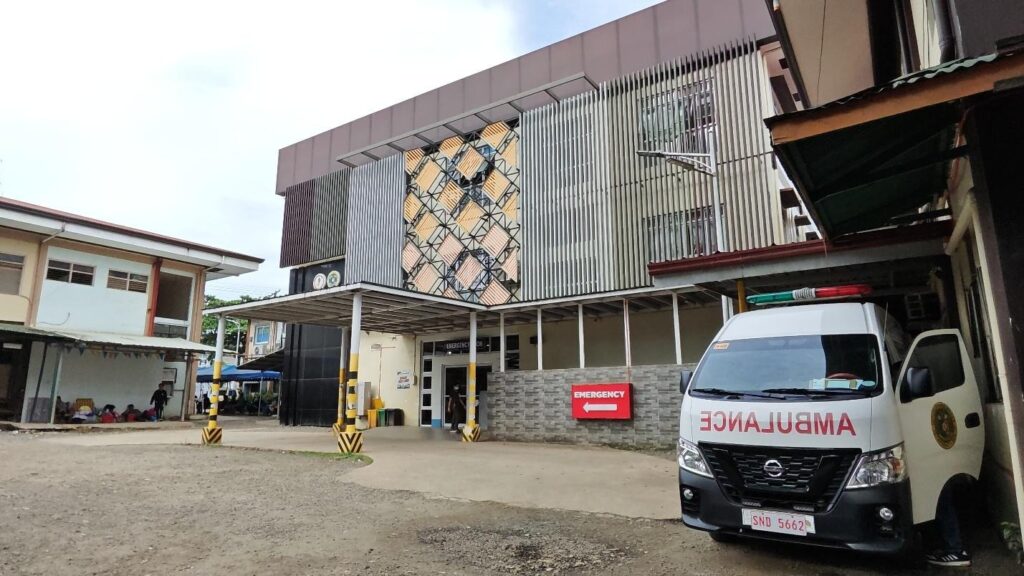
For Ospital ng Palawan, Manongsong said plans are already in place to operate its own treatment facility to reduce the volume of medical waste it generates.
As part of this move, the hospital began market scoping in 2025 to identify suitable medical waste treatment equipment. It already has an existing facility, with the planned investment focused on acquiring the appropriate machines.
In choosing the equipment, the hospital is prioritizing systems that can sharply reduce waste volume after treatment, leaving only a small amount of material for final disposal.
“Ang nakita namin ngayon sa market is mostly nasa 95-97% na ‘yung idi-decrease ng volume. So, nasa 5% to 3% nalang ‘yung maiiwan doon sa ipa-process natin na waste. So, ‘yung 3-5% na ‘yun ay kailangan parin natin ipahakot dahil currently, dito sa Puerto Princesa itself ay wala pa tayong registered sanitary landfill na pwedeng mag-accept ng ganung waste,” the official added.
Abad said the city’s experience shows that medical waste management must keep pace with the expansion of health services.
He said consistent enforcement, clear accountability among health facilities, and sustained coordination between the city government and national agencies are needed to prevent risks to public health and the environment as Puerto Princesa’s population and health sector continue to grow.

Through continued cooperation between the government, private sector, health facilities and the public, these problems may be resolved—safeguarding and protecting the community and the environment.
This story was produced under the “AI in Journalism: Palawan Media Training Story Grants and Media Fellowship” by Probe Media Foundation Inc. (PMFI), Probe Productions, Inc. (PROBE), with support from International Media Support (IMS) and funding from the European Union and the Danish Ministry of Foreign Affairs.
The views and opinions expressed in this piece are the sole responsibility of the writer and do not necessarily reflect the views of IMS, the European Union, and the Ministry of Foreign Affairs of Denmark.


